
Ice Hockey Uniform Blue and Yellow | Custom Plain Hockey Jersey

- Choose which material you want Polyester (100% or blended), Mesh Polyester, Spandex / Elastane (5–15%), Nylon, Reinforced Twill, Anti-microbial coatings
- Custom Sizing
- Sublimation, DTF, Embroidery Your Choice
- Short-lead Time
- No Minimum Order Quantity

Custom Blue Ice Hockey Jersey Supplier
Materials Used in Ice Hockey Uniforms
- Polyester (100% or blended) — Most dominant material; lightweight, durable, moisture-wicking, and resistant to abrasion
- Mesh Polyester — Used in ventilation zones (underarms, sides) for maximum airflow
- Spandex / Elastane (5–15%) — Blended into panels for stretch and freedom of movement
- Nylon — Sometimes used in high-wear zones like elbows and shoulders for added durability
- Reinforced Twill — Used in logo/number application areas for structural strength
- Anti-microbial coatings — Applied to fabrics to reduce odor from sweat during long games
Sizing & Fit Standards for Ice Hockey Uniform
- Jerseys are cut looser than regular clothing to fit over shoulder and chest pads
- Sizes typically follow: Youth S–XL, Junior S–XL, Senior/Adult S–3XL
- Pro-cut jerseys are more tapered vs. replica jerseys which are boxier
- Custom uniforms allow full size grading per player measurements
Decoration Methods — Can You Do It?
Sublimation (Full Dye Sublimation)
- Yes — and it’s the most recommended method for ice hockey jerseys
- Produces vibrant, full-color designs directly into the fabric fiber
- Zero fading, cracking, or peeling — survives repeated washes and rough play
- Works best on 100% polyester fabrics (standard in hockey)
- Ideal for gradients, complex graphics, and team patterns across the entire jersey
- Lightweight — adds no extra layer or texture to the garment
DTF (Direct-to-Film Printing)
- Yes — suitable for logos, numbers, and patch-style graphics
- Applied as a film transfer on top of the fabric
- Good for small customizations or on-demand single-unit orders
- Slightly raised feel compared to sublimation
- Durable but not as long-lasting as sublimation under intense athletic use
- Works on both polyester and blended fabrics
Embroidery
- Yes — used for logos, crests, and team badges
- Adds a premium, professional feel to jerseys and caps
- Commonly used on chest crests, captain patches (“C” and “A”), and collar logos
- Not suitable for large areas — better for detailed small logos
- Thread density must be managed to avoid fabric stiffness
Screen Printing
- Limited use in hockey
- Works on flat polyester surfaces but not ideal due to athletic washing demands
- Best for numbers/letters on training jerseys or casual fan gear
- Ink can crack under physical stress and repeated machine washing
- Not recommended for game-grade jerseys — sublimation is strongly preferred
Heat Transfer Vinyl (HTV)
- Yes — used for player names and numbers
- Applied with heat press directly onto the jersey
- Cost-effective for small runs
- Less durable than sewn twill numbers under heavy gameplay
Tackle Twill (Sewn Numbers/Letters)
- Yes — professional/pro-grade standard
- Fabric letters and numbers are cut and stitched directly onto the jersey
- Extremely durable — standard in NHL and professional leagues
- Adds slight weight but unmatched in durability and professional appearance
Ice Hockey Uniform Components — Full Breakdown
- Jersey (Sweater): Main upper-body garment with team colors, logo, player name & number
- Hockey Pants/Shells: Outer shell worn over padded pants — usually matching team color
- Hockey Socks (Stockings): Knit socks worn over shin guards, team-colored
- Base Layer: Compression shirt/shorts worn underneath for warmth and muscle support
- Practice Jerseys: Lighter, simpler versions for training sessions
- Goalie Jerseys: Slightly larger cut to accommodate chest and arm pads
Why Manufacture With Vendorist Apparels?
When it comes to high-performance sports uniforms, Vendorist Apparels stands in a league of its own. With deep expertise in sublimation, embroidery, and tackle twill decoration across ice hockey, football, and all team sports, Vendorist Apparels delivers pro-grade quality at competitive pricing — whether you need a single custom set or a full team bulk order. Their in-house fabric sourcing, skilled craftsmanship, and strict quality control ensure every jersey meets the demands of real gameplay, not just the sidelines. Choose Vendorist Apparels for uniforms built to perform, designed to impress.
Be the first to review “Ice Hockey Uniform Blue and Yellow | Custom Plain Hockey Jersey”
You must be logged in to post a review.
We ship all our products via DHL, FedEx, USPS, or UPS. We choose the courier based on the fastest shipping route.
Once we ship the order, we send a shipment confirmation email to our customers with a tracking code for them to track it. We do require that the customer should provide us with the correct shipping address and their contact information.
If you give the wrong address or any other incorrect information when ordering, please contact our Customer Support within 24 hours. Reach out to us quickly to ensure we process your order correctly. Our Customer Support team is available to help you with any issues regarding your order. Don't hesitate to get in touch if you realize there is a mistake in your order details.
Shipping Rates and Delivery Times
We have multiple different shipping methods available in each zone. Remember that the days mentioned in the table below are shipment days and do not include handling. The average handling time for each order is 3-5 working days.
If you order more than two items, the company will cover the additional shipping costs. The costs are 20% for Express orders, 30% for Standard orders, and 50% for Economy orders.
Damages
If shipping damages your product, contact Customer Support to start the exchange process
Related products
Baseball Uniform
Custom Basketball Uniforms
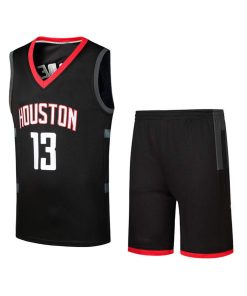
Custom Basketball Uniforms
Black Red Basketball Uniforms – Customized Basketball Jersey Design for Team
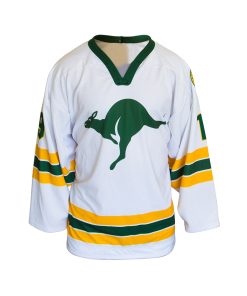
Ice Hockey Uniform Manufacturer
White Ice Hockey Uniform | Green Embroidery Ice Hockey Jersey
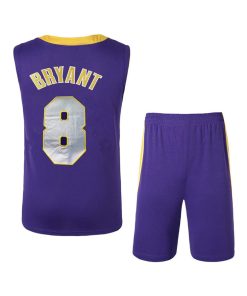
Custom Basketball Uniforms
Purple Basketball Jerseys | Custom Basketball Jersey Design for Team
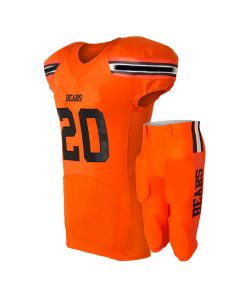
American Football Uniform
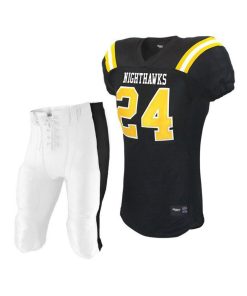
American Football Uniform
Custom Black American Football Uniform with White Padded Pants
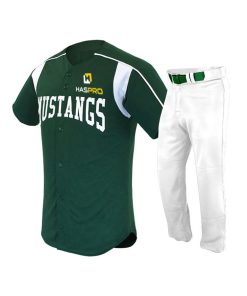
Baseball Uniform
How to Place a Orders at Vendorist Apparels
There are three ways to do it. Most Easiest Way:- Send an Email to info@vendoristapparels.com
- Add Phone Number in Message Please.
- Just Add to Cart the Product You Want
- The System Will Redirect You to Send in a Request for a Quote
- Add Modification in comment Box you want
- Also Add Phone Number in Comment Box.
How Can I Get Help with My Design & Placing the Order?
You have an awesome idea and need an amazing design to go with it? Use our Free Design Service and work with our design team to come up with the perfect rendition of your vision or you download the Blank Template to create the design yourself. We want you to be completely satisfied that’s why we don’t place any limits on the number of revisions that you can ask for. In fact, we are happy to re-work the entire design if you change your mind at any point, so let’s Get Started and bring your masterpiece to life.
Using the online Design Tool and facing any issues or have questions? You can Contact Us or just start a live chat session right now by clicking on the Chat icon on the bottom left to get assistance. We also have some Helpful Articles that explain the feature & capabilities of the online design tool.
Want us to look over the design before you submit it? We are happy to help and point out any issues or simply give you a thumbs up!
If we can assist in any way, simply Contact Us through any support channel that is most convenient for you.
Regular Size Charts Are Not Always a Perfect Fit for Me, Can You Do 'Made to Measure' Clothing?
Any designs that you submit via the Design Tool or File Upload are thoroughly checked by our design team to identify any issues. This might include properly centering logos/graphics that might be slightly off, combining color variations, making sure that any graphics used have a high enough resolution, etc.
We will always send you final mockups & a details document for your final approval before proceeding to production.
And we go a step further too… during the different production steps, we will keep you posted by sending you pictures, so that if you notice anything wrong, we can have it corrected right away!
Is There a Minimum Order Quantity & Do You Offer Discounts on Bulk Orders?
For most of the products that we offer on our website, there are no minimum order quantities, so you can order 1 custom-made item at the same price you’d normally pay for a comparable branded product.
There are however certain products that have a minimum order quantity only because the cost of producing just 1 would make it too expensive for end customers. Having said that we have had people willing to pay the extra cost, so if you want to bypass the limitation, Contact Us for a special quote.
Yes, we do offer bulk quantity discounts which are built into the system & specified on the individual product pages, so the more you order, the more you will save. Learn More about Pricing & Discounts
What Will Be the Cost and How Long Will It Take for the Order to Be Delivered?
Who doesn’t like surprises? Well, we don’t when it comes to hidden fees, exchange rates, or very complicated pricing structure, so with that in mind we offer all-inclusive pricing making sure that you know exactly how much you would be paying.
Our website is the best tool for figuring out the cost, since all prices, bulk quantity discounts, taxes & shipping is baked right into the system. So just add what you are looking to order and the cart page will present you with an accurate quotation.
Or if you would like just Contact Us and we will work out a quotation for you.
Normally for apparel, we ask for 2 to 4 weeks to deliver your order but depending on the quantity and our ongoing workload, we might deliver earlier or ask for more time. In case you have a certain deadline, we do recommend contacting us with your order details, so we can confirm a guaranteed delivery date.
How Can I Place an Order with Different Products, Colors or Designs?
The easiest way would be to Contact Us with your requirements and a dedicated account manager will help you through the entire process.
If you’d like to place the order yourself, each product with a design/color variation would need to be ordered separately.
Different Names & Numbers Do Not constitute a design variation as multiple names/numbers can easily be added through the product options.
To give you an example, let’s say you need 25 Red shorts with one set of logos and 25 Blue shorts with a different set of logos. Firstly you would need to design the Red shorts, select the sizing options, etc. and add the product to the cart. You will then have to go back to the product page and do the same for the Blue shorts.
The good thing is that the bulk quantity discount will apply on all the Shorts in the Cart, so you get the best volume price for your entire order.
If that sounds like a hassle, our Dedicated Account Managers will be happy to help you with setting up the designs, choosing the right products, and finalizing your order.
Before I Place an Order, Can I Get a Sample?
If you are ordering a single item, you can rest assured that our warranty & hassle-free return policy has you covered on the off-chance that the delivered product is not to your satisfaction.
But we do understand that sometimes you just have to see, touch or even try on a product before committing to a larger order. We can have a blank sample at your doorstep within a week to make sure that you have complete peace of mind about the fabric quality, stitching, and sizing before you finalize your order.
Depending on the products and the number of items you would like as blank samples, we will ask for a small non-refundable fee (usually $25 per item) that gets deducted from your final order total. So if you paid $50 for the samples and your eventual order total is $1000, you will only have to pay $960.
For orders larger than 200 pieces or $2000, a printed sample is part of the approval process. But if printed samples are a must before you can proceed, please Contact Us before placing a regular order through the website, so we can make a note to refund 50% of the cost of the printed samples from your eventual full-size order. So for e.g. if you pay $100 for printed samples and your eventual full-size order is $1000, you’ll only have to pay $950.
Contact Us and one of our service representatives will be happy to arrange shipment of a blank or a printed sample.
Reviews
There are no reviews yet.